

Article: 3D Grading vs. Laser Grading vs. Manual: Which Technology is Right for Your Project?
3D Grading vs. Laser Grading vs. Manual: Which Technology is Right for Your Project?
When a surface looks finished, how confident are you that it won’t need rework?
Most grading issues don’t become obvious during the work itself. They surface later, when drainage fails, surfaces wear unevenly, or sections need correcting before the next stage can proceed, costing time and money.
At that point, the issue isn’t effort, but the approach. The difference between manual grading, a laser grader, and a 3D grader lies in how consistently each method delivers the required result without rework.
This guide compares each approach to help you identify the right fit for your project.

What Is Manual Grading?
Manual grading relies on operator judgement to interpret the ground and adjust the blade accordingly.
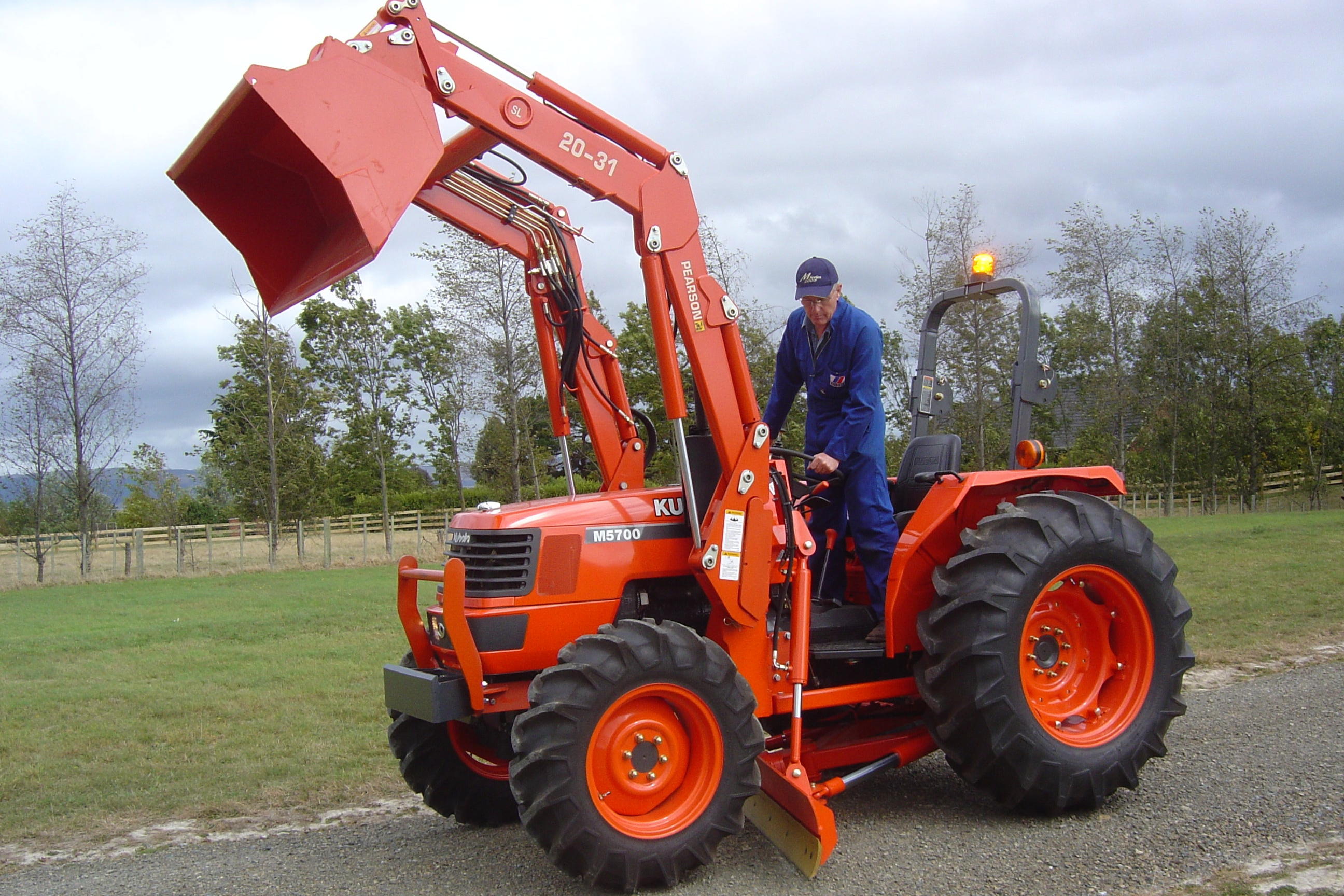
On smaller sites or early-stage work, this can be enough. A grader machine or leveling tractor allows you to shape terrain without additional systems, keeping costs down and setup simple.
The limitation is consistency. Over longer distances, small deviations accumulate, which is why manually graded jobs often require multiple passes, especially where drainage or fall is important.
While it suits low-precision work, its performance drops as job size and expectations increase.

What Is Laser Grading?
Laser grading addresses that inconsistency by introducing a constant reference across the site.
A laser grader uses a rotating transmitter to establish a flat plane, while a receiver on the tractor grader adjusts the blade automatically to maintain that level.
Instead of reacting to what you see, the machine works to a fixed reference. This reduces variability between passes and limits the need to re-check levels manually.
This is especially valuable where:
-
drainage depends on consistent fall
-
surface durability relies on even compaction
-
rework delays downstream trades
Laser grading is widely used for driveways, farm tracks, and building pads, where small inconsistencies impact long-term performance.
For most operators, a compact grader paired with laser control is where grading shifts from “close enough” to repeatable. For a deeper look, see our laser grader guide.

What Is 3D Grading?
A 3D grader moves beyond flat reference systems and works directly from a digital site model.
Using GPS positioning and preloaded design data, it controls the blade across elevation, slope, and alignment simultaneously. This allows it to follow complex grading requirements, such as drainage channels or multi-directional falls, without relying on physical references.
The key difference from laser grading is flexibility.
Laser systems are limited to a single plane. 3D grading can replicate an entire design surface. That removes the need for repeated adjustments when working across varying elevations or shapes.
This is why it’s used in:
-
subdivisions
-
infrastructure projects
-
large civil works
However, its value depends on scale. For smaller projects, the cost and setup time of 3D systems often outweigh the benefits, especially when simpler methods can achieve the required outcome.

Side-by-Side Comparison
Here’s how the three technologies compare across the factors that typically affect project performance:
|
Factor |
Manual Grading |
Laser Grading |
3D Grading |
|
Accuracy |
Low — operator dependent |
High — millimetre precision on flat planes |
Very high — precise across complex 3D terrain |
|
Best For |
Small, rough or low-budget jobs |
Driveways, farm roads, site levelling |
Large civil projects, subdivisions, infrastructure |
|
Equipment Needed |
Standard tractor + blade |
Tractor grader + laser kit |
Excavator/grader + GPS receiver + 3D software |
|
Upfront Cost |
Low |
Medium |
High |
|
Operator Skill Required |
High |
Low–Medium |
Medium (with training) |
|
Project Size |
Small |
Small–Medium |
Medium–Large |
|
Rework Risk |
High |
Low |
Very Low |
|
Suitable for NZ Farms? |
Sometimes |
Yes |
Rarely |
|
Suitable for Civil Contractors? |
Rarely |
Yes |
Yes |
Which Technology Is Right for Your Project?
The decision usually comes down to how much correction your job can tolerate.
When to Use Manual Grading
Manual grading is best suited to rough shaping or early-stage earthworks where the final surface will be refined later. It keeps upfront costs low, but achieving consistency relies heavily on operator input and often requires additional passes as the job progresses.
When to Use Laser Grading
Laser grading is the most practical option when a consistent, accurate surface is required without introducing large-scale civil systems. For driveways, farm tracks, and site preparation, a compact tractor grader with laser control delivers a reliable balance between precision and efficiency.
You can explore Neilo’s compact tractor graders here.
When to Use 3D Grading
3D grading is suited to larger projects where the surface must align precisely with a design model across varying terrain. For subdivisions, roading, and infrastructure work, the reduction in survey adjustments and rework typically justifies the higher upfront investment.

What About ROI? Does Technology Pay for Itself?
Grading costs are rarely obvious upfront, they show up in corrections.
Every additional pass increases fuel consumption and machine wear. More importantly, it delays the next stage of the job. A laser grader reduces those passes by holding a consistent level, while a 3D grader reduces the need for repeated survey verification on large projects.
The return isn’t just in efficiency, it’s in predictability. Fewer corrections mean fewer delays and more reliable project timelines.
If you’re weighing up the cost against time savings and reduced rework, this breakdown of calculating the ROI of a compact grader provides a clearer view of where the value sits.

Laser Grading with a Neilo Tractor Grader
The effectiveness of any grading system depends on how well the equipment supports it.
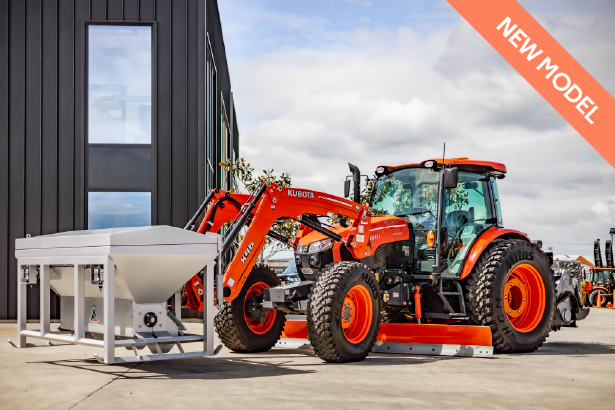
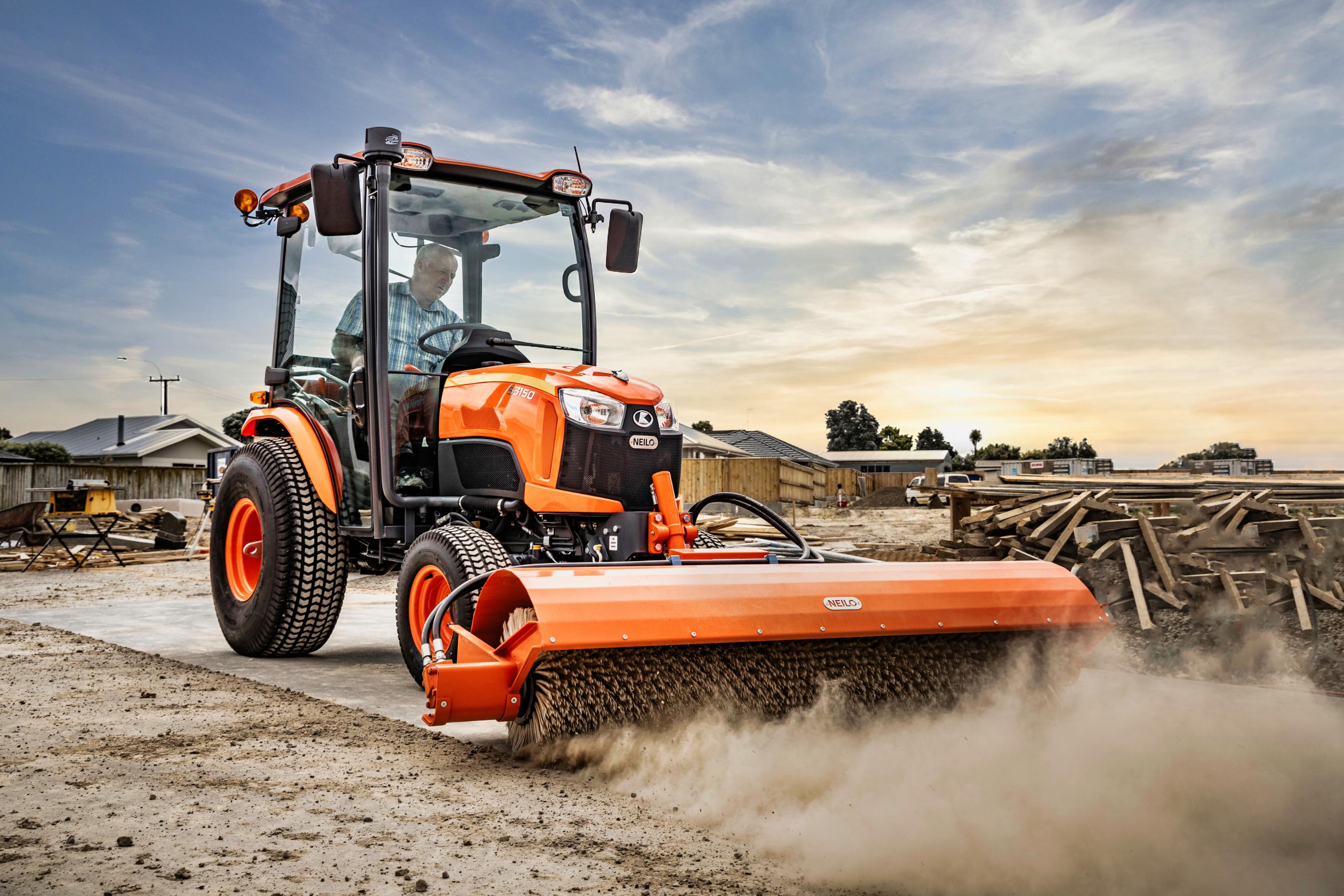
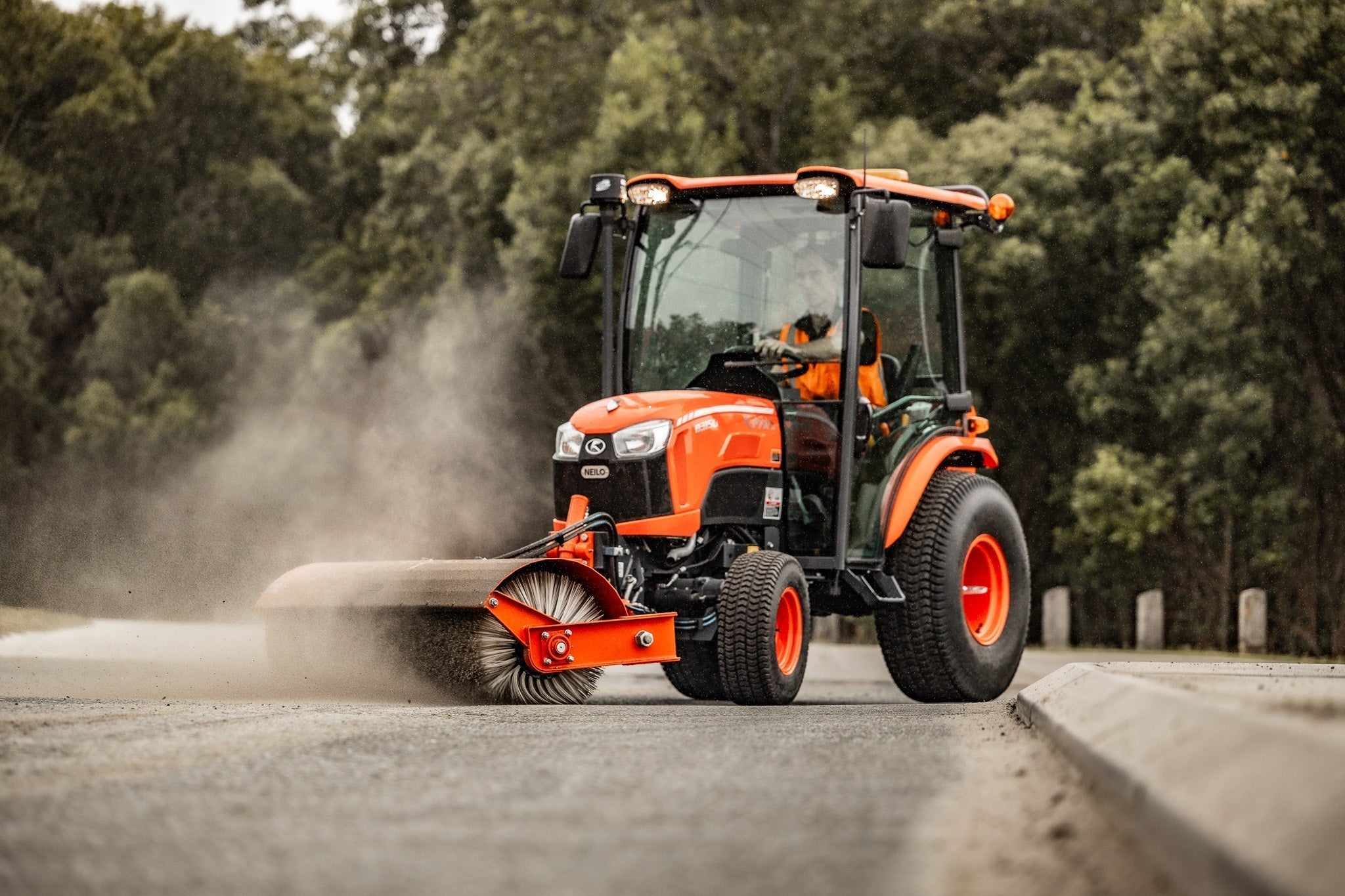
Neilo’s tractor grader range is designed for precision grading in NZ conditions, combining Kubota reliability with engineered grader systems for consistent performance.
These machines are built to integrate with laser systems, allowing operators to maintain control without increasing complexity.
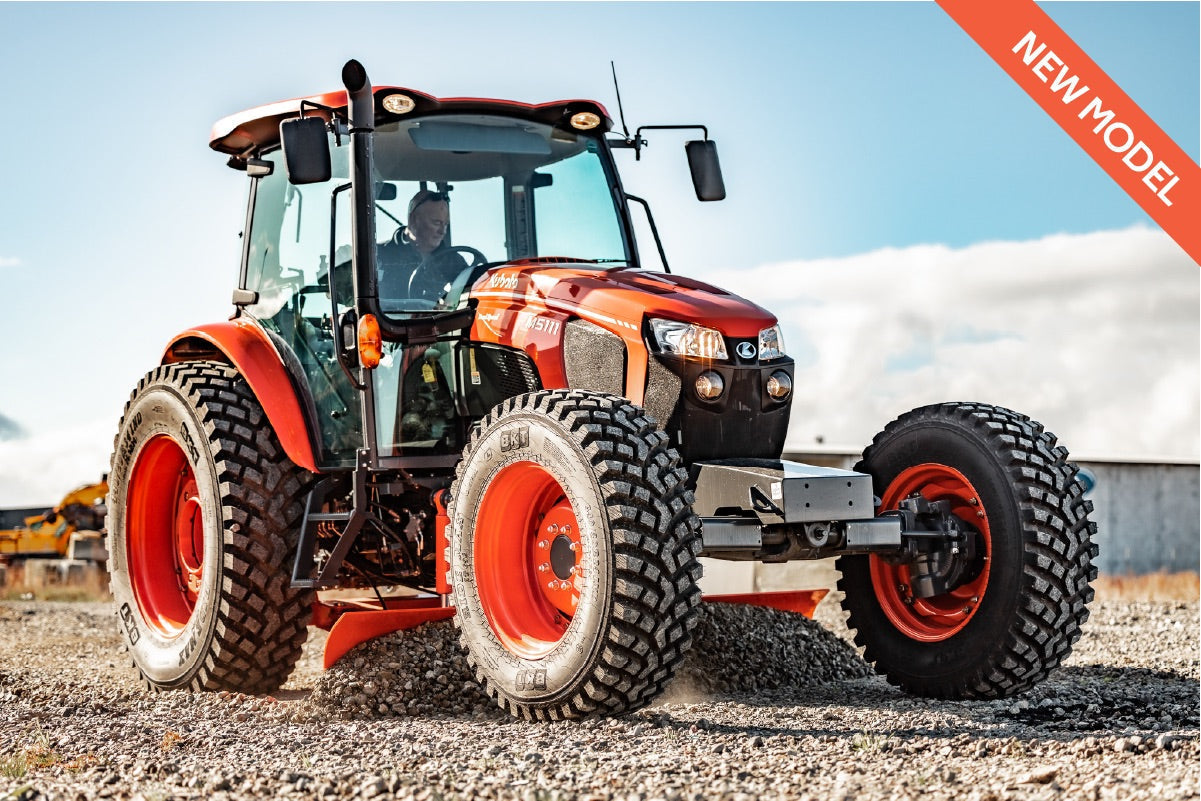
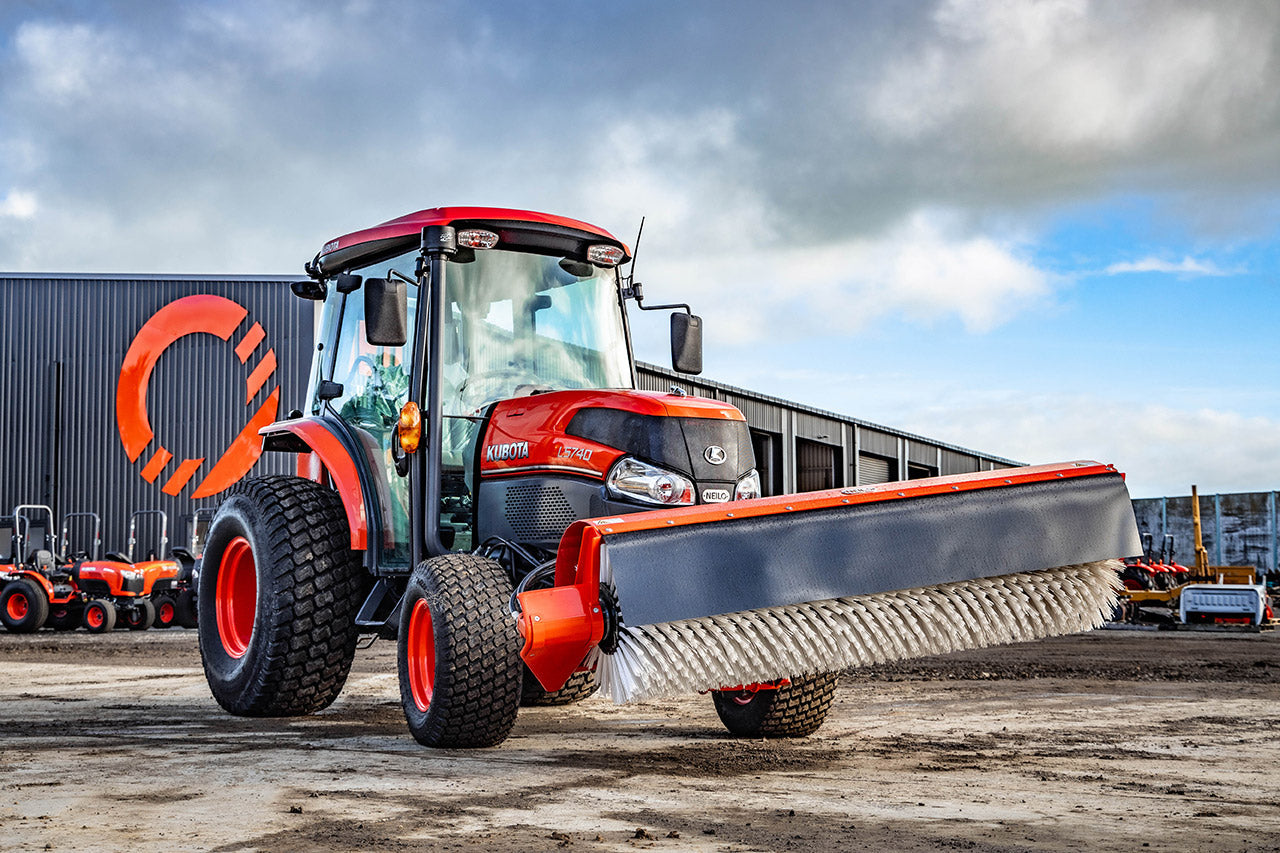
Available options include M7040 Cabin Grader for all-weather comfort, and M5111 ROPS Grader for high-performance site work. The focus is practical: achieving the required finish efficiently, without repeated adjustment.
Final Thoughts
Grading methods directly influence how much time is spent correcting work versus progressing it. Manual grading suits low-precision work, while laser grading improves consistency and reduces rework. For larger, more complex sites, 3D grading delivers the level of accuracy required. Choosing the right approach ultimately leads to fewer corrections, more predictable outcomes, and better use of time on site.
If you’re planning your next project, you can request a quote or view the full Neilo grader range to find a solution that minimises rework and helps control project time and cost.

Leave a comment
This site is protected by hCaptcha and the hCaptcha Privacy Policy and Terms of Service apply.